Using Resistance Band Exercises for the Feet

Resistance bands are elastic tools that can be used to strengthen the muscles of the feet and ankles. These bands come in varying levels of resistance, allowing for gradual strengthening of the smaller stabilizing muscles that support balance, arch structure, and gait control. Exercises using resistance bands, such as foot flexes, toe curls, and ankle rotations, help improve flexibility, coordination, and joint stability. They are also useful for those recovering from foot injuries or seeking to prevent strain from repetitive movements. By maintaining proper form during each exercise, the muscles of the feet can become stronger, which supports better movement and reduces the risk of overuse injuries. A podiatrist can assess foot mechanics, identify muscle weakness, and recommend the most effective exercises for specific needs. For guidance on resistance band exercises for the feet, it is suggested that you make an appointment with a podiatrist for a diagnosis and treatment.

Exercising your feet regularly with the proper foot wear is a great way to prevent injuries and build strength. If you have any concerns about your feet, contact one of our podiatrists from Bangor Podiatry. Our doctors can provide the care you need to keep you pain-free and on your feet.

Exercise for Your Feet

Exercise for your feet can help you gain strength, mobility and flexibility in your feet. They say that strengthening your feet can be just as rewarding as strengthening another part of the body. Your feet are very important, and we often forget about them in our daily tasks. But it is because of our feet that are we able to get going and do what we need to. For those of us fortunate enough to not have any foot problems, it is an important gesture to take care of them to ensure good health in the long run.

Some foot health exercises can include ankle pumps, tip-toeing, toe rises, lifting off the floor doing reps and sets, and flexing the toes. It is best to speak with Our doctors to determine an appropriate regimen for your needs. Everyone’s needs and bodies are different, and the activities required to maintain strength in the feet vary from individual to individual. 

Once you get into a routine of doing regular exercise, you may notice a difference in your feet and how strong they may become.

If you have any questions, please feel free to contact our offices located in Bangor, Gilbert, and Bethlehem, PA . We offer the newest diagnostic and treatment technologies for all your foot care needs.

Read more about Exercise for Your Feet

Types of Skin Ulcers Affecting the Feet

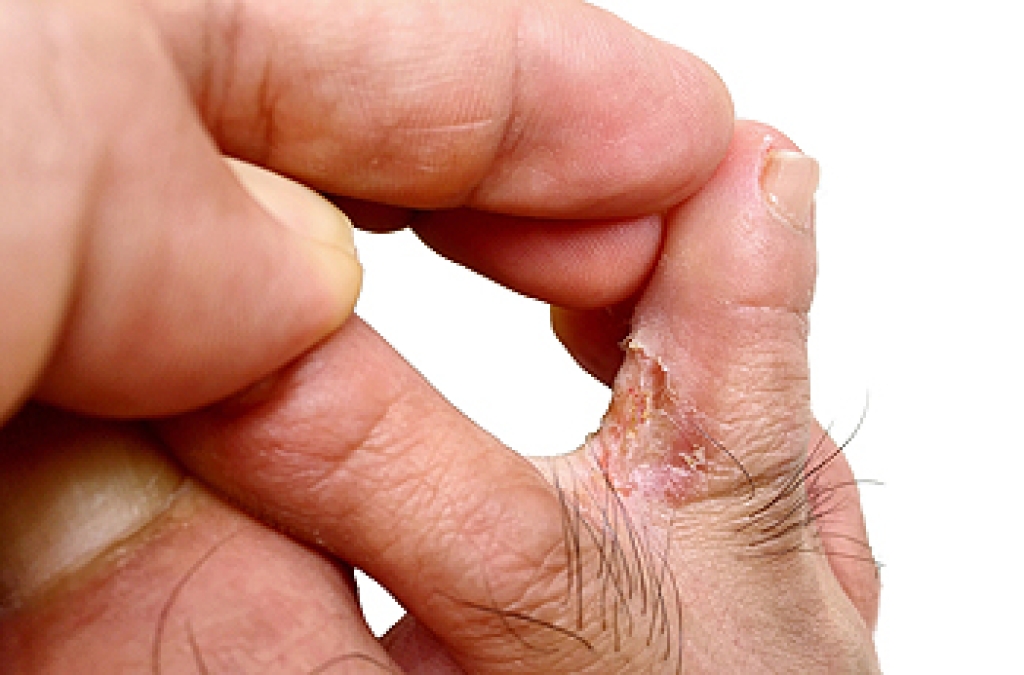
Skin ulcers on the feet are open sores that form when the skin and underlying tissue break down due to poor circulation, nerve damage, or constant pressure. Pressure ulcers develop on the heels or ankles when prolonged pressure reduces blood flow to the skin. Venous ulcers form above the ankle when veins fail to circulate blood properly, causing fluid buildup and skin damage. Arterial ulcers appear on the toes, ankles, or between toes when  blood flow is reduced by narrowed arteries, leaving the skin deprived of oxygen. Neuropathic ulcers, often seen in people with diabetes, occur on weight-bearing areas like the ball of the foot. Nerve damage prevents pain sensation, allowing minor injuries to worsen unnoticed. A podiatrist can diagnose the cause, promote healing, and help prevent limb loss. If you notice sores on the feet that do not heal properly, it is suggested that you make an appointment with a podiatrist for a diagnosis and treatment options.

Wound care is an important part in dealing with diabetes. If you have diabetes and a foot wound or would like more information about wound care for diabetics, consult with one of our podiatrists from Bangor Podiatry. Our doctors will assess your condition and provide you with quality foot and ankle treatment.

What Is Wound Care?

Wound care is the practice of taking proper care of a wound. This can range from the smallest to the largest of wounds. While everyone can benefit from proper wound care, it is much more important for diabetics. Diabetics often suffer from poor blood circulation which causes wounds to heal much slower than they would in a non-diabetic. 

What Is the Importance of Wound Care?

While it may not seem apparent with small ulcers on the foot, for diabetics, any size ulcer can become infected. Diabetics often also suffer from neuropathy, or nerve loss. This means they might not even feel when they have an ulcer on their foot. If the wound becomes severely infected, amputation may be necessary. Therefore, it is of the upmost importance to properly care for any and all foot wounds.

How to Care for Wounds

The best way to care for foot wounds is to prevent them. For diabetics, this means daily inspections of the feet for any signs of abnormalities or ulcers. It is also recommended to see a podiatrist several times a year for a foot inspection. If you do have an ulcer, run the wound under water to clear dirt from the wound; then apply antibiotic ointment to the wound and cover with a bandage. Bandages should be changed daily and keeping pressure off the wound is smart. It is advised to see a podiatrist, who can keep an eye on it.

If you have any questions please contact our offices located in Bangor, Gilbert, and Bethlehem, PA . We offer the newest diagnostic and treatment technologies for all your foot and ankle needs.


Read more about Wound Care

Endoscopic Plantar Fasciotomy and Its Role in Chronic Heel Pain

Chronic plantar fasciitis occurs when the thick band of tissue on the bottom of the foot, known as the plantar fascia, remains inflamed and painful over an extended period of time. An endoscopic plantar fasciotomy is a minimally invasive surgical procedure used to treat chronic plantar fasciitis that has not improved with conservative care. During the procedure, a small camera and specialized instruments are inserted through tiny incisions to release part of the fascia, reducing tension and inflammation. This method allows for less tissue disruption and faster healing. Recovery usually takes a few weeks, with gradual return to normal activities. If you have chronic plantar fasciitis, it is suggested that you consult a podiatrist who can explore effective relief options for ongoing heel pain.

Foot surgery is sometimes necessary to treat a foot ailment. To learn more, contact one of our podiatrists of Bangor Podiatry. Our doctors will assist you with all of your foot and ankle needs.

When Is Surgery Necessary?

Foot and ankle surgery is generally reserved for cases in which less invasive, conservative procedures have failed to alleviate the problem. Some of the cases in which surgery may be necessary include:

  • Removing foot deformities like bunions and bone spurs
  • Severe arthritis that has caused bone issues
  • Cosmetic reconstruction

What Types of Surgery Are There?

The type of surgery you receive will depend on the nature of the problem you have. Some of the possible surgeries include:

  • Bunionectomy for painful bunions
  • Surgical fusion for realignment of bones
  • Neuropathy decompression surgery to treat nerve damage

Benefits of Surgery

Although surgery is usually a last resort, it can provide more complete pain relief compared to non-surgical methods and may allow you to finally resume full activity.

Surgical techniques have also become increasingly sophisticated. Techniques like endoscopic surgery allow for smaller incisions and faster recovery times.

If you have any questions, please feel free to contact our offices located in Bangor, Gilbert, and Bethlehem, PA . We offer the newest diagnostic and treatment technologies for all your foot care needs.

Read more about Foot and Ankle Surgery

Are You Suffering From Nerve Damage?

Neuropathy is a condition that can lead to numbness or loss of sensation in the feet, but it can also cause pain. This condition is more likely to develop for those who are diabetic, obese, or with high blood pressure.

Yoga Stretches to Improve Ankle Mobility

Strong and flexible ankles are essential for balance and stability, and yoga offers excellent stretches to enhance mobility. Standing on tiptoes strengthens the calves and improves control, while tree pose, or standing tall on one leg with hands reaching toward the sky, challenges balance and ankle stability. Awkward pose, or sitting back into an invisible chair with arms extended forward, builds strength in the lower legs, and squats help increase ankle flexibility and range of motion. Practicing these poses regularly can reduce stiffness and prevent injuries during daily activities or sports. A podiatrist can assess your ankle alignment, recommend additional exercises, and treat any underlying issues that limit movement. If you experience ankle pain or stiffness, it is suggested that you schedule an appointment with a podiatrist who can offer effective relief tips, and guide you on additional ankle strengthening stretches.

Stretching the feet is a great way to prevent injuries. If you have any concerns with your feet consult with one of our podiatrists from Bangor Podiatry. Our doctors will assess your condition and provide you with quality foot and ankle treatment.

Stretching the Feet

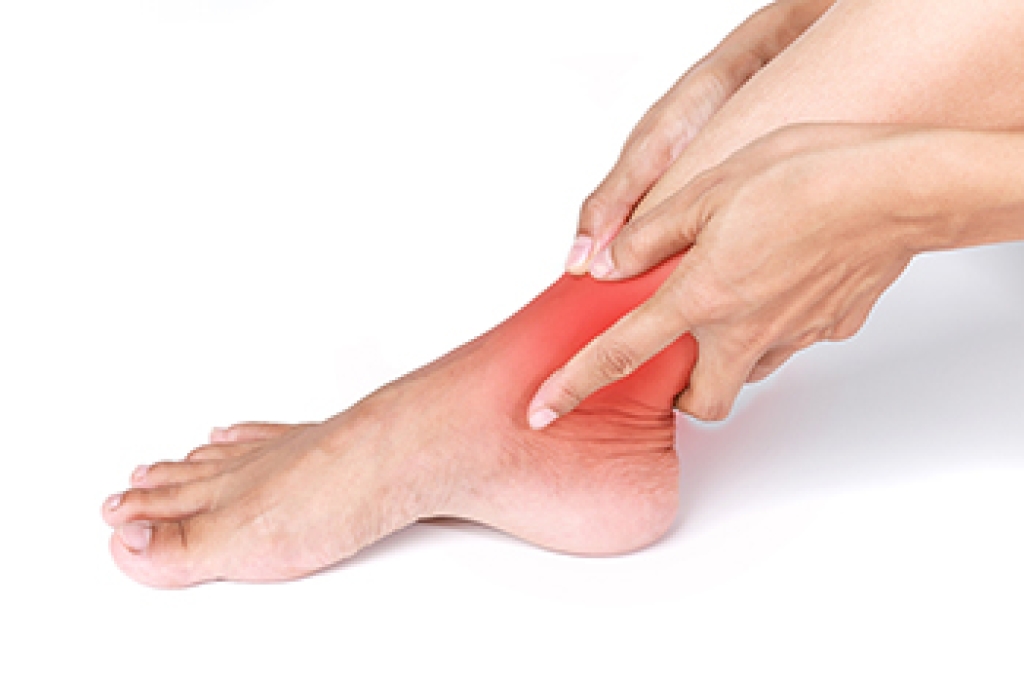
Being the backbone of the body, the feet carry your entire weight and can easily become overexerted, causing cramps and pain. As with any body part, stretching your feet can serve many benefits. From increasing flexibility to even providing some pain relief, be sure to give your feet a stretch from time to time. This is especially important for athletes or anyone performing aerobic exercises, but anyone experiencing foot pain or is on their feet constantly should also engage in this practice.

Great ways to stretch your feet:

  • Crossing one leg over the others and carefully pull your toes back. Do 10-20 repetitions and repeat the process for each foot
  • Face a wall with your arms out and hands flat against the wall. Step back with one foot and keep it flat on the floor while moving the other leg forward. Lean towards the wall until you feel a stretch. Hold for 30 seconds and perform 10 repetitions for each foot
  • Be sure not to overextend or push your limbs too hard or you could risk pulling or straining your muscle

Individuals who tend to their feet by regular stretching every day should be able to minimize foot pain and prevent new problems from arising.

If you have any questions please contact our offices located in Bangor, Gilbert, and Bethlehem, PA . We offer the newest diagnostic and treatment technologies for all your foot and ankle needs.
Read more about How to Stretch Your Feet

Connect With Us