Connect With Us

Diabetes can increase the risk of developing foot problems because high blood sugar levels may affect nerves, circulation, and the body’s ability to heal. Diabetic foot problems can include numbness, infections, and ulcers that may become serious without proper care. Nerve damage, known as diabetic neuropathy, can reduce sensation in the feet, making it harder to notice small cuts or injuries. Reduced circulation can also slow healing and increase the chance of complications. Maintaining proper foot care is an important part of managing diabetes and protecting long term foot health.
Symptoms of diabetic foot problems may include tingling, burning sensations, and changes in the appearance of the feet. Some individuals may notice sores, cuts, or areas of irritation that do not heal normally. Because nerve damage can reduce feeling, a person may not feel pain from an injury until it becomes more advanced. Regular foot checks are important for identifying concerns early and preventing minor problems from becoming more severe.
Proper diabetic foot care begins with simple daily habits. Washing the feet every day with mild soap and warm water helps remove bacteria and reduce the risk of infection. Toenails should be trimmed carefully to prevent sharp edges or ingrown toenails. Checking the feet daily for sores, cuts, or changes in skin color can help identify problems before they worsen. Wearing shoes that fit well and provide proper support can also reduce pressure and protect the feet from injury.
Several risk factors can increase the chance of diabetic foot complications, including poor blood sugar control, long term diabetes, and smoking. Poor circulation and a history of foot ulcers may also be other risk factors. Wearing shoes that are too tight or walking barefoot can increase the risk of injury. If you have diabetes and have developed foot problems, it is suggested that you consult a podiatrist who can help you to manage this serious condition through routine visits.
Diabetic foot care is important in preventing foot ailments such as ulcers. If you are suffering from diabetes or have any other concerns about your feet, contact one of our podiatrists from Bangor Podiatry. Our doctors can provide the care you need to keep you pain-free and on your feet.
Diabetic Foot Care
Diabetes affects millions of people every year. The condition can damage blood vessels in many parts of the body, especially the feet. Because of this, taking care of your feet is essential if you have diabetes, and having a podiatrist help monitor your foot health is highly recommended.
The Importance of Caring for Your Feet
Patients with diabetes should have their doctor monitor their blood levels, as blood sugar levels play such a huge role in diabetic care. Monitoring these levels on a regular basis is highly advised.
It is always best to inform your healthcare professional of any concerns you may have regarding your feet, especially for diabetic patients. Early treatment and routine foot examinations are keys to maintaining proper health, especially because severe complications can arise if proper treatment is not applied.
If you have any questions, please feel free to contact our offices located in Bangor, Gilbert, and Bethlehem, PA . We offer the newest diagnostic and treatment technologies for all your foot care needs.

Athlete's foot is a fungal skin infection that usually begins between the toes. A fungus is a tiny living organism that grows best in warm, damp environments. The infection can spread to other parts of the foot, and, in some cases, to the toenails. Symptoms include itching, burning, and peeling skin. Some people also develop redness, cracking, or small blisters. The skin can become sore and uncomfortable while walking, especially when the infection worsens. Because several skin conditions have similar symptoms, an accurate diagnosis is important. A podiatrist carefully examines the affected skin and determines whether another condition is causing the problem. In some cases, a small skin sample is examined to confirm the diagnosis and guide treatment.
Athlete's foot spreads through direct contact with the fungus or by touching contaminated surfaces. Places like locker rooms, public showers, and swimming pool areas can increase the chance of exposure. The infection is also more likely to develop when feet remain warm and moist for long periods. Wearing shoes that lack proper support can increase pressure on irritated skin, making walking more uncomfortable, although these shoes do not cause the infection itself. Without proper treatment, athlete's foot can spread to other areas of the foot or lead to bacterial infections. A bacterial infection develops when harmful bacteria enter cracked skin, causing increased redness, swelling, and pain.
A podiatrist provides treatment based on the severity and location of the infection. Care includes confirming the diagnosis, prescribing medications to eliminate the fungus, and monitoring the skin as it heals. If the infection has spread to the toenails or becomes persistent, additional treatment helps prevent further damage. Prompt care also lowers the risk of complications and reduces the chance of the infection returning. Professional podiatric treatment helps restore healthy skin and allows people to return to normal daily activities with greater comfort and confidence. If you have symptoms of athlete's foot, it is suggested that you schedule an appointment with a podiatrist for effective relief and treatment tips, which may include prescribed medication.
Athlete’s Foot
Athlete’s foot is often an uncomfortable condition to experience. Thankfully, podiatrists specialize in treating athlete’s foot and offer the best treatment options. If you have any questions about athlete’s foot, consult with one of our podiatrists from Bangor Podiatry. Our doctors will assess your condition and provide you with quality treatment.
What Is Athlete’s Foot?
Tinea pedis, more commonly known as athlete’s foot, is a non-serious and common fungal infection of the foot. Athlete’s foot is contagious and can be contracted by touching someone who has it or infected surfaces. The most common places contaminated by it are public showers, locker rooms, and swimming pools. Once contracted, it grows on feet that are left inside moist, dark, and warm shoes and socks.
Prevention
The most effective ways to prevent athlete’s foot include:
Symptoms
Athlete’s foot initially occurs as a rash between the toes. However, if left undiagnosed, it can spread to the sides and bottom of the feet, toenails, and if touched by hand, the hands themselves. Symptoms include:
Diagnosis and Treatment
Diagnosis is quick and easy. Skin samples will be taken and either viewed under a microscope or sent to a lab for testing. Sometimes, a podiatrist can diagnose it based on simply looking at it. Once confirmed, treatment options include oral and topical antifungal medications.
If you have any questions, please feel free to contact our offices located in Bangor, Gilbert, and Bethlehem, PA . We offer the newest diagnostic and treatment technologies for all your foot care needs.

A bunion is a bony bump that forms at the base of the big toe as the joint gradually shifts out of its normal position. As the big toe begins to lean toward the smaller toes, the joint may become enlarged and painful. Bunions usually develop slowly and can become more noticeable over time. Several factors may contribute to their development, including inherited foot structure, certain inflammatory conditions, and prolonged stress on the joint. Common symptoms include pain, swelling, and redness around the base of the big toe. Some people also experience stiffness or difficulty wearing shoes comfortably. Because bunions tend to worsen gradually, a professional evaluation is important to determine the severity of the deformity and recommend the most appropriate treatment.
As a bunion progresses, it can affect the way the foot functions when walking and standing. The change in toe alignment may place extra pressure on other parts of the foot, increasing discomfort during everyday activities. In some cases, additional foot problems, such as calluses or hammertoes, may develop because of the altered position of the toes. Persistent pain may also change normal walking patterns and reduce overall mobility. A thorough podiatry examination helps evaluate joint alignment, foot mechanics, and the extent of the deformity. Early diagnosis allows treatment to begin before the condition causes greater pain or limits daily movement.
A podiatrist specializes in diagnosing and treating bunions while evaluating the overall health and function of the foot. Professional care focuses on relieving pain, improving foot function, and slowing the progression of the deformity. Treatment is tailored to each patient's condition and activity level while supporting long-term mobility. Regular podiatry visits also allow changes in the bunion to be monitored and treatment to be adjusted when necessary. If bunion pain is affecting your comfort or making it difficult to walk, it is suggested that you consult a podiatrist for an evaluation and appropriate treatment options.
If you are suffering from bunions, contact one of our podiatrists of Bangor Podiatry. Our doctors can provide the care you need to keep you pain-free and on your feet.
What Is a Bunion?
A bunion is formed of swollen tissue or an enlargement of boney growth, usually located at the base joint of the toe that connects to the foot. The swelling occurs due to the bones in the big toe shifting inward, which impacts the other toes of the foot. This causes the area around the base of the big toe to become inflamed and painful.
Why Do Bunions Form?
Genetics – Susceptibility to bunions are often hereditary
Stress on the feet – Poorly fitted and uncomfortable footwear that places stress on feet, such as heels, can worsen existing bunions
How Are Bunions Diagnosed?
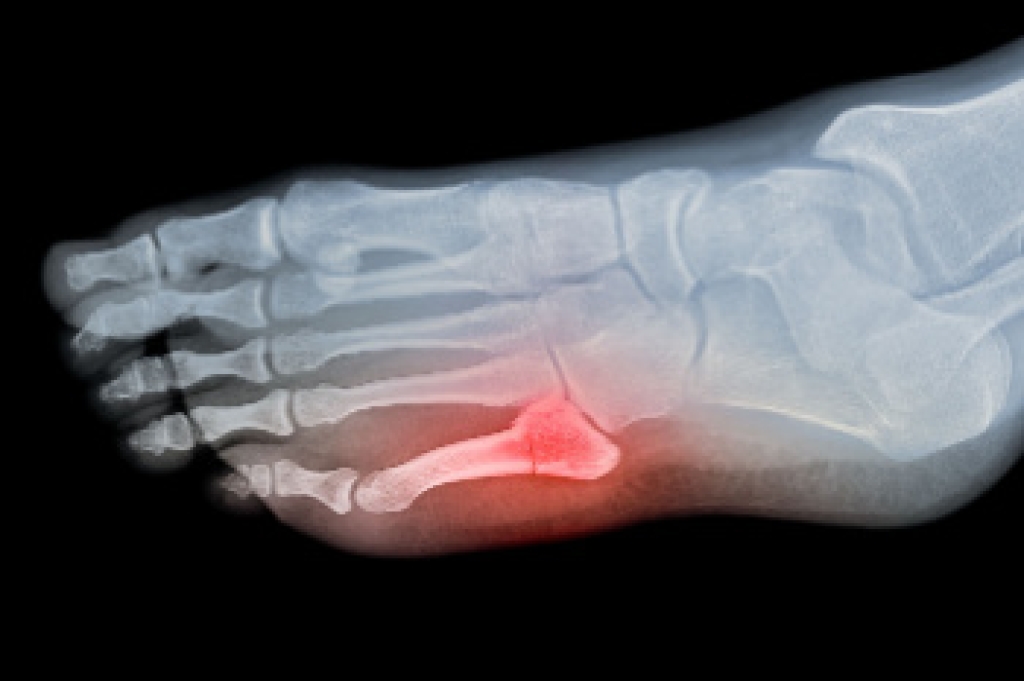
Podiatrists often perform two tests – blood tests and x-rays – when trying to diagnose bunions, especially in the early stages of development. Blood tests help determine if the foot pain is being caused by something else, such as arthritis, while x-rays provide a clear picture of your bone structure to your provider.
How Are Bunions Treated?
If you have any questions, please feel free to contact our offices located in Bangor, Gilbert, and Bethlehem, PA . We offer the newest diagnostic and treatment technologies for all your foot care needs.

Plantar warts are skin growths that develop on the soles of the feet. They are caused by certain types of human papillomavirus, or HPV. The virus enters through tiny cuts or weakened areas in the skin. Plantar warts, also known as verrucas, can appear alone or in a cluster, called a mosaic wart. Because pressure from standing pushes the growth inward, it usually looks flat rather than raised. Signs include a rough patch, tiny black dots, and thickened skin. The black dots are small blood vessels, not dirt. A wart on a weight-bearing area can cause sharp pain or tenderness when walking.
Plantar warts spread through direct contact with HPV or surfaces carrying the virus. Damp floors in locker rooms, public showers, and pool areas create settings where exposure can occur. Infection is more likely when the skin is wet, cracked, or scraped. The virus can also move to another part of the foot when a wart is scratched or picked. Not every rough spot is a wart. Corns, calluses, and other skin growths can look similar. A podiatrist can examine the area, trim away a small amount of thick skin, and check for signs that confirm the diagnosis. This evaluation is especially important if the growth bleeds, changes appearance, or causes persistent pain.
Treatment depends on the wart’s size, depth, and location. The podiatrist also considers how it affects daily activity. Office care includes carefully applied chemical treatments or cryotherapy, which freezes affected tissue. Stubborn warts can require repeated visits because the virus can remain in nearby skin. A podiatrist can reduce thick skin, ease pressure, and protect painful areas with padding or off-loading devices. Treatment requires extra care for patients with diabetes, poor circulation, or reduced feeling in the feet. Follow-up visits help track healing and address returning growths. If you have developed a planter wart, it is suggested that you schedule an appointment with a podiatrist for a diagnosis and appropriate treatment.
Plantar warts can be very uncomfortable. If you need your feet checked, contact one of our podiatrists from Bangor Podiatry. Our doctors will assist you with all of your foot and ankle needs.
About Plantar Warts
Plantar warts are the result of HPV, or human papillomavirus, getting into open wounds on the feet. They are mostly found on the heels or balls of the feet.
While plantar warts are generally harmless, those experiencing excessive pain or those suffering from diabetes or a compromised immune system require immediate medical care. Plantar warts are easily diagnosed, usually through scraping off a bit of rough skin or by getting a biopsy.
Symptoms
Treatment
To help prevent developing plantar warts, avoid walking barefoot over abrasive surfaces that can cause cuts or wounds for HPV to get into. Avoiding direct contact with other warts, as well as not picking or rubbing existing warts, can help prevent the further spread of plantar warts. However, if you think you have developed plantar warts, speak to your podiatrist. He or she can diagnose the warts on your feet and recommend the appropriate treatment options.
If you have any questions, please feel free to contact our offices located in Bangor, Gilbert, and Bethlehem, PA . We offer the newest diagnostic and treatment technologies for all your foot care needs.
Connect With Us