Main Causes of Ankle Pain When Running

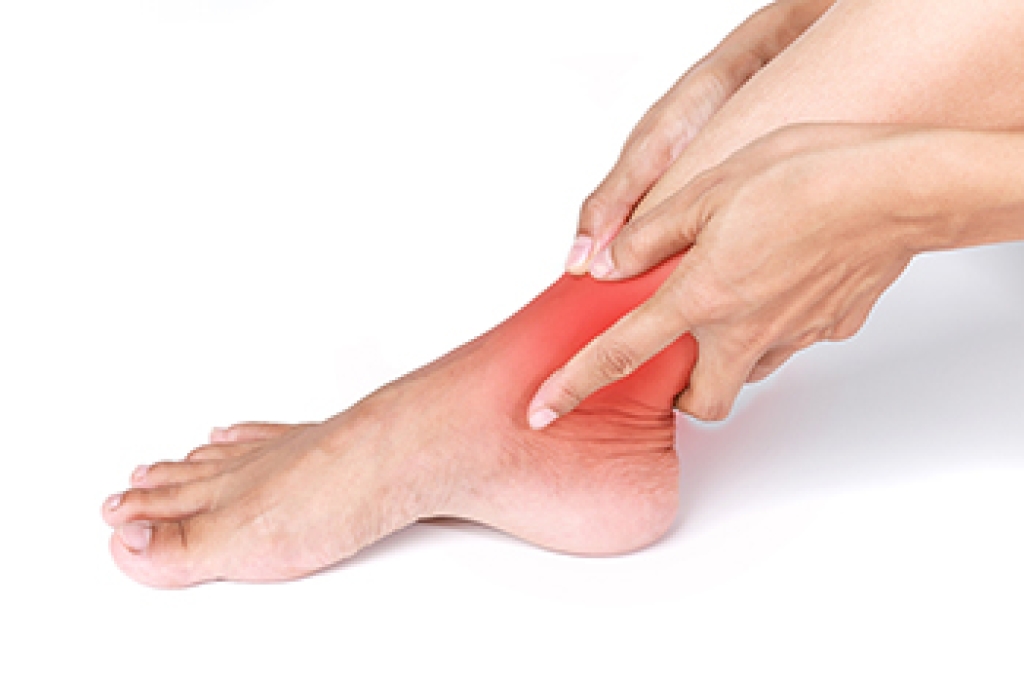
Ankle pain is common among runners because each step places force on the ankle joint. Over time, this pressure can lead to injury. One likely cause is an ankle sprain, which occurs when ligaments, the bands that connect bones, stretch or tear after a twist. Another is an ankle strain, resulting from tearing or overstretching the muscles or tendons attached to the bones. Inflammation of a tendon may develop from overuse or changes in training distance, while stress fractures are hairline cracks in a bone caused by repeated impact. Runners may notice swelling, tenderness, weakness, or pain that worsens during activity. A podiatrist can evaluate foot structure and joint stability to find the source of discomfort. Treatment may include bracing and orthotics to improve proper alignment and reduce strain. If you are experiencing ankle pain from running, it is suggested that you make an appointment with a podiatrist for an exam, diagnosis, and treatment.

Exercising your feet regularly with the proper foot wear is a great way to prevent injuries. If you have any concerns about your feet, contact one of our podiatrists of Bangor Podiatry. Our doctors will treat your foot and ankle needs.

How to Prevent Running Injuries

Many common running injuries are caused by overuse and overtraining. When the back of the kneecap starts wearing out and starts causing pain in your knee, this is commonly referred to as runner’s knee. Runner’s knee is a decrease in strength in your quadriceps and can occur if you’re not wearing properly fitted or supporting shoes. To prevent runner’s knee, focusing on hip strengthening is a good idea, as well as strengthening your quads to keep the kneecaps aligned.

What Are Some Causes of Running Injuries? 
- One cause of a common running injury is called iliotibial band syndrome.
- Plantar fasciitis is also another common injury.
- Stress fractures can occur from overtraining, lack of calcium, or even your running style.

Best Ways to Prevent Running Injuries
- Wear footwear that fits properly and suits your running needs.
- Running shoes are the only protective gear that runners have to safeguard them from injury.
- Make a training schedule. Adding strengthening exercises as well as regular stretching can help keep you strong and limber and can lessen the possibility of injuries.
- Stretching keeps muscles limber; this will help you gain better flexibility.

If you have any questions, please feel free to contact our offices located in Bangor, Gilbert, and Bethlehem, PA . We offer the newest diagnostic and treatment technologies for all your foot care needs.

Read more about How to Prevent Running Injuries

Causes of Foot and Ankle Injuries in Rugby

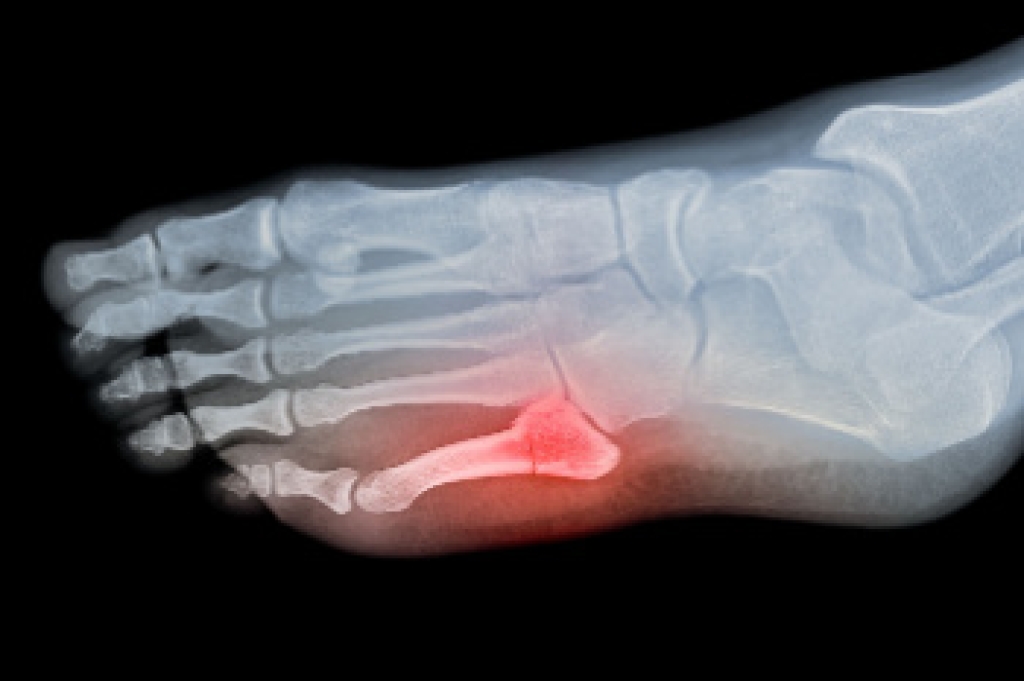
Foot and ankle injuries are common in rugby due to its high impact, fast-paced nature. Players with rigid feet may face a higher risk because reduced flexibility can limit shock absorption during sudden movements. Common foot and ankle injuries include ankle fractures and metatarsal fractures, often caused by direct contact during tackles or forceful twisting motions. These injuries can lead to pain, swelling, and difficulty with weight-bearing activities. A podiatrist can assess foot structure, provide an accurate diagnosis, and recommend supportive care, such as custom orthotics and rehabilitation plans. Injuries like ankle fractures require prompt attention. If you have endured a foot or ankle injury while engaging in a sports activity, it is suggested that you consult a podiatrist who can offer effective relief and treatment solutions.

Sports related foot and ankle injuries require proper treatment before players can go back to their regular routines. For more information, contact one of our podiatrists of Bangor Podiatry. Our doctors can provide the care you need to keep you pain-free and on your feet.

Sports Related Foot and Ankle Injuries

Foot and ankle injuries are a common occurrence when it comes to athletes of any sport. While many athletes dismiss the initial aches and pains, the truth is that ignoring potential foot and ankle injuries can lead to serious problems. As athletes continue to place pressure and strain the area further, a mild injury can turn into something as serious as a rupture and may lead to a permanent disability. There are many factors that contribute to sports related foot and ankle injuries, which include failure to warm up properly, not providing support or wearing bad footwear. Common injuries and conditions athletes face, including:

  • Plantar Fasciitis
  • Achilles Tendinitis
  • Achilles Tendon Rupture
  • Ankle Sprains

Sports related injuries are commonly treated using the RICE method. This includes rest, applying ice to the injured area, compression and elevating the ankle. More serious sprains and injuries may require surgery, which could include arthroscopic and reconstructive surgery. Rehabilitation and therapy may also be required in order to get any recovering athlete to become fully functional again. Any unusual aches and pains an athlete sustains must be evaluated by a licensed, reputable medical professional.

If you have any questions please contact our offices located in Bangor, Gilbert, and Bethlehem, PA . We offer the newest diagnostic and treatment technologies for all your foot and ankle needs.

Read more about Sports Related Foot And Ankle Injuries

The Importance of Stretching the Toes

Stretching the toes plays an important role in maintaining healthy feet. The toes contain joints, muscles, and tendons that help support balance and movement while walking or standing. When they become stiff, the toes may not move normally, which can lead to discomfort or reduced flexibility. Regular toe stretching helps improve mobility, allowing the toes to move through their full range of motion. It can also improve blood flow, which supports healthy tissue and may reduce swelling. Flexible toes also help the foot absorb pressure more evenly when walking, which may lower the risk of strain or injury. Stretching can also support proper alignment of the toes and forefoot, an area that includes the bones just behind the toes. A podiatrist can examine the toes and feet to identify stiffness, imbalance, or developing conditions like bunions or hammertoes. If you are experiencing toe pain, it is suggested that you make an appointment with a podiatrist for an exam, diagnosis, and treatment.

Exercising your feet regularly with the proper foot wear is a great way to prevent injuries and build strength. If you have any concerns about your feet, contact one of our podiatrists from Bangor Podiatry. Our doctors can provide the care you need to keep you pain-free and on your feet.

Exercise for Your Feet

Exercise for your feet can help you gain strength, mobility and flexibility in your feet. They say that strengthening your feet can be just as rewarding as strengthening another part of the body. Your feet are very important, and we often forget about them in our daily tasks. But it is because of our feet that are we able to get going and do what we need to. For those of us fortunate enough to not have any foot problems, it is an important gesture to take care of them to ensure good health in the long run.

Some foot health exercises can include ankle pumps, tip-toeing, toe rises, lifting off the floor doing reps and sets, and flexing the toes. It is best to speak with Our doctors to determine an appropriate regimen for your needs. Everyone’s needs and bodies are different, and the activities required to maintain strength in the feet vary from individual to individual. 

Once you get into a routine of doing regular exercise, you may notice a difference in your feet and how strong they may become.

If you have any questions, please feel free to contact our offices located in Bangor, Gilbert, and Bethlehem, PA . We offer the newest diagnostic and treatment technologies for all your foot care needs.

Read more about Exercise for Your Feet

Keep Your Feet Healthy So You Can Stay Active

Have your feet inspected by a professional before starting a new sport or physical activity. Taking charge of your foot health will keep you in good physical condition and can help you avoid a potential injury, such as a fracture or sprained ankle.

Prevent injuries and see a foot specialist.

Why Is My Big Toe Numb?

Numbness in the big toe can develop when nerves that supply sensation become irritated, compressed, or damaged. Common causes include injury to the foot, nerve damage, bunions that place pressure on nearby nerves, and wearing tight-fitting shoes that restrict normal circulation and nerve function. Chronic health conditions like diabetes may also contribute to nerve-related changes that lead to numbness. Risk factors include repetitive pressure on the foot, poor footwear choices, structural foot problems, and underlying medical conditions. Symptoms may include tingling, reduced sensation, burning discomfort, or weakness in the toe area. A podiatrist can evaluate nerve health, foot structure, and footwear habits to guide treatment and relieve pressure on affected nerves. If numbness persists, it is suggested that you consult a podiatrist who can offer effective relief and treatment solutions.

Toe pain can disrupt your daily activities. If you have any concerns, contact one of our podiatrists of Bangor Podiatry. Our doctors can provide the care you need to keep you pain-free and on your feet.

What Causes Toe Pain?

Most severe toe pain is caused due to a sports injury, trauma from dropping something heavy on the toe, or bumping into something rigid. Other problems can develop over time for various reasons.

Toe pain can be caused by one or more ailments. The most common include:

  • Trauma
  • Sports injury
  • Wearing shoes that are too tight
  • Arthritis
  • Gout
  • Corns and calluses
  • Hammertoe
  • Bunions
  • Blisters
  • Ingrown toenails
  • Sprains
  • Fractures (broken bones)
  • Dislocations

When to See a Podiatrist

  • Severe pain
  • Persistent pain that lasts more than a week
  • Signs of infection
  • Continued swelling
  • Pain that prevents walking

Diagnosis

In many cases the cause of toe pain is obvious, but in others, a podiatrist may want to use more advanced methods to determine the problem. These can range from simple visual inspections and sensation tests to X-rays and MRI scans. Prior medical history, family medical history, and any recent physical traumatic events will all be taken into consideration for a proper diagnosis.

Treatment

Treatments for toe pain and injuries vary and may include shoe inserts, padding, taping, medicines, injections, and in some cases, surgery. If you believe that you have broken a toe, please see a podiatrist as soon as possible.

If you have any questions please contact our offices located in Bangor, Gilbert, and Bethlehem, PA . We offer the newest diagnostic and treatment technologies for all your foot and ankle needs.

Read more about Toe Pain

Connect With Us